

Storage Bed vs Traditional Bed Frame: Which Makes Sense for Small Singapore Homes?
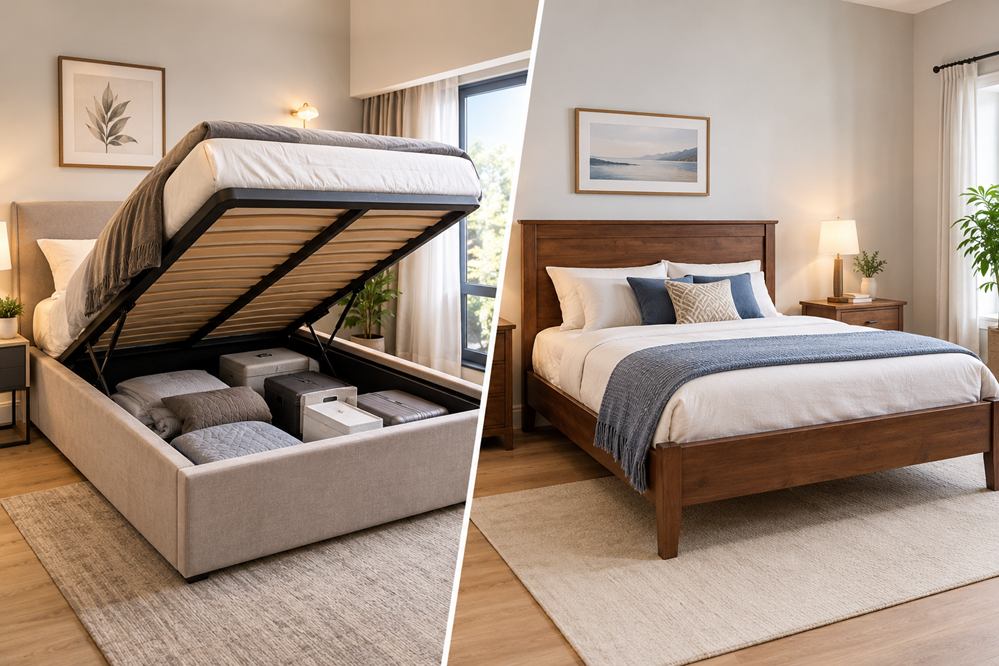
Singapore bedrooms are getting smaller, making every inch of storage space count. As a result, more homeowners are reconsidering their bed frame choices. For many, deciding between a storage bed vs a traditional bed frame has become an important part of bedroom planning. Since the bed is usually the largest piece of furniture in a bedroom, choosing one that provides additional storage can make a significant difference. This guide compares both options to help you find a bed frame that suits your room size, storage needs, and daily routine. Understanding Storage Beds: Hydraulic Lift vs Drawer Storage A storage bed makes use of the space beneath the mattress, turning an otherwise unused area into practical storage. Two popular designs offer different advantages depending on your needs. Hydraulic lift: The entire mattress platform lifts with the help of gas struts, revealing a large compartment underneath. This design is ideal for bulky items you do not need frequently, such as spare duvets, luggage, and seasonal clothing. However, you need sufficient clearance around the bed to lift the platform comfortably. Drawer-style: Drawers slide out from the sides or foot of the bed, providing convenient access to smaller items such as folded linen. However, the drawers require enough floor space to open fully. Nearby furniture, including bedside tables and wardrobes, may obstruct them. When choosing a bed frame with storage, Singapore homeowners should consider how frequently they need to access their belongings. A hydraulic lift bed is suitable for items used occasionally, while drawer-style storage works better for belongings you need to reach regularly. Traditional Bed Frames: Advantages, Limitations and Ideal Uses A traditional bed frame typically consists of a headboard and base, which may feature slats or a divan design. Unlike storage beds, it does not include a built-in storage compartment. Despite this difference, it remains a popular choice for many households. Advantages: Generally lighter and easier to assemble, move, or dismantle. Often more affordable, especially at the entry level. Open slatted designs allow better airflow underneath the bed, which can be beneficial in Singapore’s humid climate. Easier to inspect and clean the space beneath the frame. Limitations: No built-in storage, meaning you may need an additional chest of drawers or cabinet. Under-bed storage boxes are only practical when there is sufficient clearance, which many low divan bases lack. Items kept in open spaces underneath the bed tend to accumulate dust more easily. A traditional frame still makes sense if your bedroom already has a full wardrobe, you prefer a lighter, more open look, or you rent and expect to move within a few years. Households that later outgrow their storage can still switch to a storage bed frame, a common upgrade in Singapore’s compact layouts. How Much Storage Space Does a Storage Bed Actually Offer? A hydraulic lift compartment is typically around 12 inches (30 cm) deep and extends across most of the mattress footprint. This provides storage capacity comparable to a small chest of drawers or low cabinet, without taking up additional visible floor space. The compartment is best suited to bulky belongings that you do not need every day, including: Spare bedding, pillows, and blankets. Suitcases and travel bags. Seasonal or formal clothing stored in clean, dry storage bags. Guest bedding and extra towels. However, a storage bed may not be ideal for everyday clothing because accessing the compartment requires you to lift the mattress platform. Understanding this limitation helps you organise your belongings more effectively and make the most of the available space. When maximising bedroom storage, HDB layouts leave little room for extra furniture, so the space under the bed is especially valuable. This design adds capacity without taking up any more floor area. What to Check Before Buying a Storage Bed? Before buying, it helps to understand the pros and cons of hydraulic storage beds beyond capacity alone. Evaluating a few practical factors can help you choose a model that remains convenient and reliable over time. Weight limits:Gas struts are designed to lift a specific mattress weight. Check the manufacturer’s recommended specifications, as a mattress that exceeds the supported weight may make the platform difficult to lift or affect the mechanism’s performance. Mattress compatibility: Most storage beds accommodate standard foam, spring, and hybrid mattresses, but thickness and weight can affect usability. A particularly thick mattress may increase the overall sleeping height and influence how easily the platform opens. Mattress dimensions must also match the frame, so confirm whether your Single, Super Single, Queen, or King mattress is compatible before purchasing. Maintenance: A closed storage compartment can accumulate dust and develop stale odours if it remains shut for extended periods. Open it occasionally, clean the interior, and check that the hinges and gas struts operate smoothly. Avoid storing damp laundry or wet belongings inside, as Singapore’s humid conditions can encourage mould growth and unpleasant odours. Overall, storage beds offer generous hidden capacity and help maintain a neat bedroom. However, they typically cost more, weigh more, provide less airflow underneath, and require some effort to access the stored items. Are Storage Beds Worth It for Small HDB and Condo Bedrooms? Not every room needs built-in storage. The following layouts tend to benefit the most: Compact common rooms and BTO bedrooms, where there is no wall space left for another cabinet Rooms with built-in wardrobes that are already full, leaving nowhere to store bedding or luggage Guest rooms and children’s rooms, which accumulate spare items but have limited floor area Condo bedrooms with minimal or no storeroom access If you are comparing options for a space like this, a quality storage bed in Singapore that homeowners can rely on should balance capacity, build quality, and ease of use. Larger master bedrooms with generous wardrobe space may not require a storage bed. In these situations, a traditional bed frame is often the more economical option. Regardless of your choice, measure the frame’s full external dimensions rather than relying solely on the mattress size. Check the available clearance above the bed
How to Choose the Right Storage Bed Size for Your Singapore Bedroom
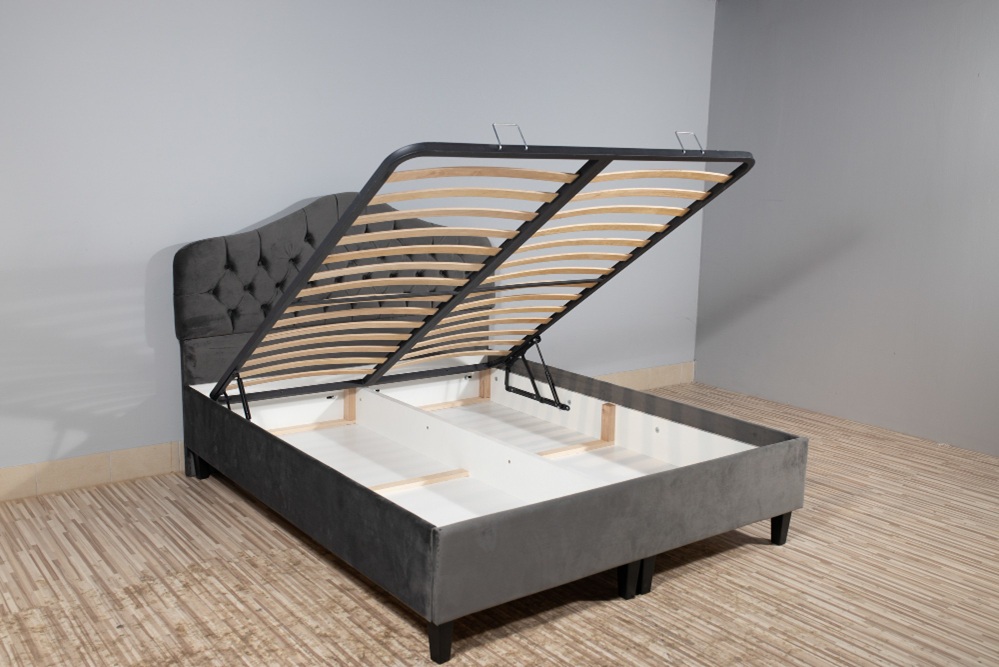
Choosing the wrong storage bed size is one of the most common and costly furniture-buying mistakes. A frame that looks perfect in a showroom may leave drawers blocked by a wardrobe or prevent a lift-up base from opening fully beneath a ceiling fan. Knowing how to choose storage bed size before you buy protects both your budget and your floor space. This guide covers the measurements, clearances, and storage needs that matter most in HDB flats, BTO units, and condominiums. How to Measure Your Bedroom Before Buying a Storage Bed? Start by measuring your bedroom before selecting a bed. Record the room’s length and width, then note the positions of the door, windows, wardrobe, and bedside furniture. Even if a bed fits on paper, it may obstruct a wardrobe door or restrict movement around the room. Storage bed frames are also generally larger than the mattresses they accommodate. Side panels and lifting mechanisms can add approximately 5 to 10 cm in each direction, so always refer to the frame’s external dimensions when planning your layout. What to measure Why it matters Room length and width Sets the maximum bed size the room can take Frame’s external dimensions Often larger than the mattress alone Ceiling height and fan position Determines whether a lift-up base can open Wardrobe and door swing Prevents the bed from blocking daily access Lift, corridor and doorway width Avoids failed deliveries Before placing your order, use masking tape to mark the bed’s full footprint on the floor. Walk around the marked area and test access to your wardrobe and other furniture. This simple, inexpensive step can help you identify potential sizing issues before the bed arrives. King vs Single vs Queen Storage Beds: What Each Size Offers Bed sizes in Singapore generally follow standard local dimensions, although they may differ from those used in other countries. Always check the actual measurements in centimetres instead of relying solely on the size label. Size Approx. mattress size Suggested minimum room Best suited to Single 91 x 190 cm 2.5 x 3 m Children’s rooms, Solo adults, teenagers Queen 152 x 190 cm 3 x 3.5 m Couples, most master bedrooms King 183 x 190 cm 3.5 x 4 m Larger master bedrooms in 5-room HDBs, ECs and condos The single vs queen storage bed decision usually comes down to who sleeps in the room and how much floor is spare. A queen adds roughly 60 cm of width, which is comfortable for two adults but leaves much less room beside the bed. The Super Single is often overlooked. It gives a solo sleeper noticeably more space than a Single while still suiting compact bedrooms where a Queen would crowd the walkway. How Much Clearance Does a Storage Bed Need to Open Fully? Storage only helps if it opens properly, so clearance deserves as much attention as bed width. The requirement depends on the mechanism. Mechanism Clearance to plan for What to watch Hydraulic lift-up Space at the foot or side to stand and raise the base Ceiling fans, light fixtures and low shelves above the bed/td> Side drawers At least 50 to 60 cm of floor beside the drawer side Wardrobes and bedside tables placed too close Beyond the opening mechanism, aim to maintain approximately 60 to 90 cm of clear walkway along the accessible side of the bed. If two people share the bed, allowing space on both sides can improve convenience. Adequate clearance also makes changing the sheets and making the bed easier. If a ceiling fan is positioned directly above the bed, the raised platform may come into contact with the fan blades. In this situation, consider a drawer-style design or repositioning the bed to avoid potential obstructions. Matching Bed Size to How Much You Actually Need to Store Capacity grows with bed size, but only up to a point. A queen hydraulic base commonly offers roughly 200 to 300 litres of space, enough for suitcases, spare duvets and seasonal items. Exact volumes vary by design, so confirm them with the seller. What you need to store Suitable choice Why Luggage, festive items, spare bedding Hydraulic lift-up One deep compartment for bulky items Folded linen, gym gear, everyday items Drawer style Quick access without lifting the base Both, in a small space Queen or Super Single with one slim cabinet Balances capacity and floor space Among the bedroom storage solutions Singapore households rely on, a well-sized bed base is one of the few that adds capacity without taking up extra floor area. Looking for a dependable storage bed in Singapore? Explore options that fit your bedroom dimensions and provide the storage space you need without compromising on comfort. When weighing a single vs. queen storage bed purely for capacity, remember that the extra width adds volume only if the room can accommodate the larger footprint. A bed that restricts movement defeats the purpose of saving space. Common Storage Bed Sizing Mistakes Homeowners Make Most homeowners can prevent sizing problems with a little planning. These are the errors that appear most often. Mistake Consequence How to avoid it Measuring only the mattress The frame is larger than expected and crowds the room. Use the frame’s external dimensions. Ignoring clearance Drawers or lift-up bases cannot open fully. Plan for the mechanism’s access space. Forgetting the delivery route The frame will not pass through the lift or corridor. Measure lift, corridor and doorway beforehand. Overlooking mattress thickness Lift-up mechanism strains or bed sits too high. Check the thickness range recommended for the frame. Choosing a size for aspiration The king-size bed closes in a smaller room. Match the size to the room and household. Mattress thickness deserves particular attention. Many hydraulic frames are designed around mattresses of roughly 20 to 30 cm, so confirm the recommended range if you plan to reuse an existing mattress. Conclusion A quick measure-first approach saves you from a storage bed that looks great in the showroom but does not open properly at